
Sustainability Highlights
- Historic estate cared for by the same family for over 400 years
- Long-term stewardship of ancient yew and seventeenth-century lime trees
- Ongoing arboriculture and drainage works to protect mature trees in changing climate conditions
- Active tree and shrub planting across the estate
- Working farm participating in agri-environmental schemes
- Livestock managed to protect watercourses, trees and habitats
- Windblown timber reused on site to provide renewable heat for the house
- Solar panels with battery storage supporting cleaner energy use
- Low-energy lighting, composting and careful waste management embedded in daily operations
- Use of local Irish produce alongside food grown on the estate to reduce food miles
Caring for Trees and Landscape
Trees are central to both the landscape and the story of the estate. Some of the most recognisable features – ancient yews and lime trees planted in the seventeenth century – require ongoing care to survive. Maintaining them involves regular arboriculture: removing dead wood, managing ivy, improving drainage and planting shelter where needed. In recent years, heavier rainfall has created new challenges, particularly around waterlogged roots. Addressing this has meant investing in drainage works to protect vulnerable trees, a practical response to changing climate conditions.
A Working Farm
Huntington is also a working farm and has long participated in agri-environmental schemes. Livestock are fenced away from watercourses and trees, and habitats are actively protected. Windblown timber from the estate is reused to fuel many of the stoves in the house, creating a simple, circular system that reduces waste and provides a reliable source of heat. While backup heating systems remain necessary, wood fuel plays a significant role, particularly during the winter months.
Energy, Food and Everyday Practices
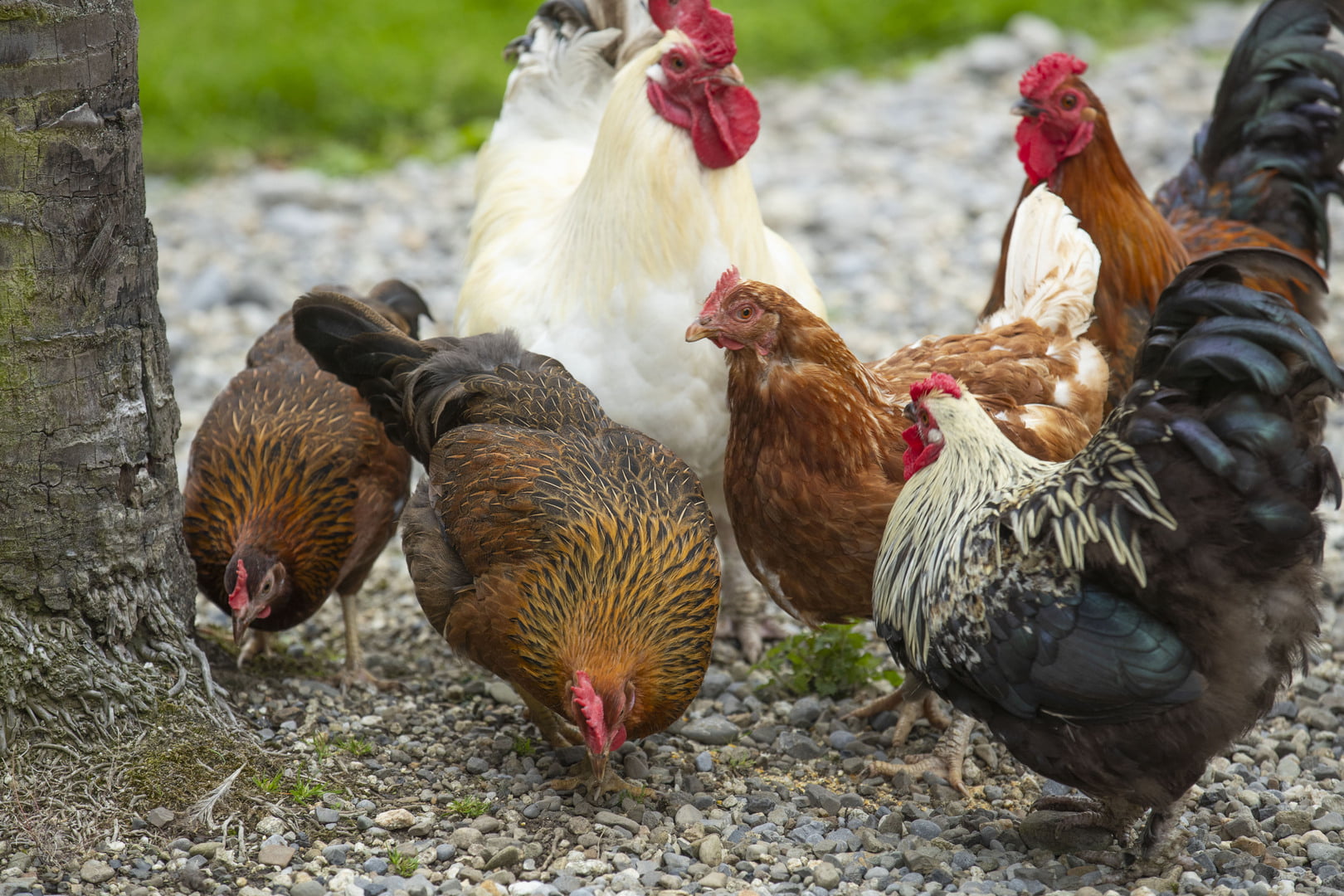
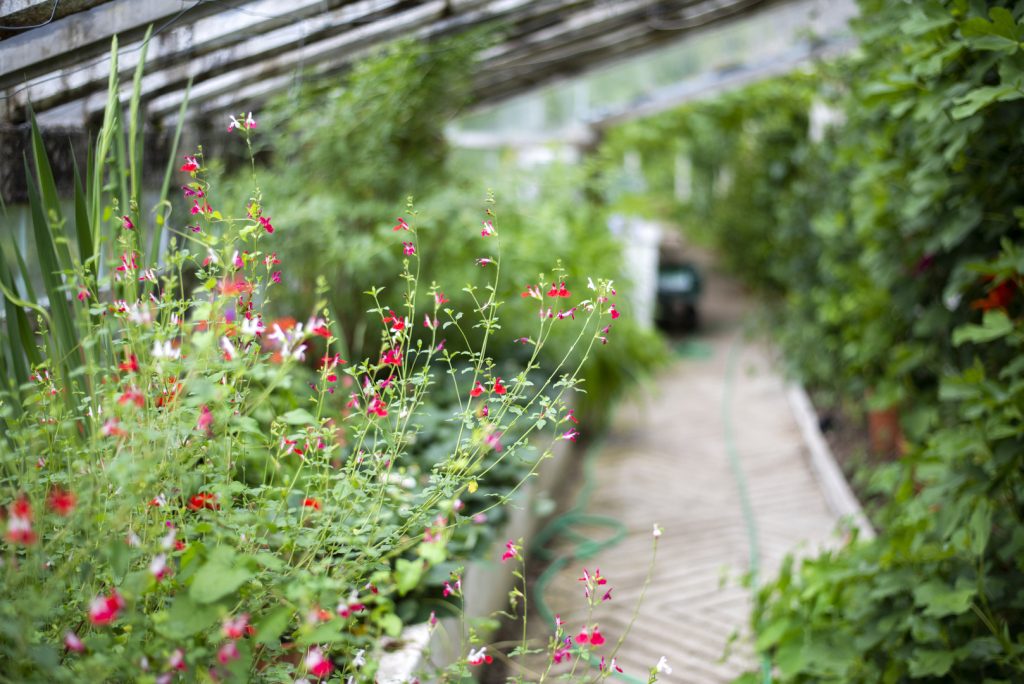
In recent years, the estate has strengthened its approach to energy use with the installation of solar panels and battery storage. Alongside this, everyday measures are firmly embedded: low-energy lighting, composting on site and careful waste management. In the tearooms and accommodation, food miles are kept as low as possible by using local Irish produce alongside eggs, fruit and vegetables produced on the estate.
Looking Ahead
Much of this work happens quietly and is not always visible to visitors. Maintaining a historic house and gardens is labour-intensive and ongoing. Looking ahead, there are longer-term ideas under consideration, including reducing fossil-fuel reliance even further. Visitors who leave Huntington Castle often carry a sense of how much attention and work goes into keeping a place like this alive. It is a working landscape, shaped by steady care, practical decision-making and a commitment to maintaining its character over the long term.
