Sustainability Highlights
- Long-standing commitment to chemical-free garden management
- All garden cuttings mulched and reused onsite to build soil health
- Native planting and mulching practices that support biodiversity
- Rainwater harvesting across several buildings, with expansion planned
- Solar energy contributing to cleaner energy use on campus
- Submetering planned to support more precise water conservation
- Commercial mulcher now reduces green waste removal and costs
- Accessible paths and facilities supporting inclusive visitor experiences
- Gardens maintained as a calming, welcoming space for diverse needs
- Exploring an anaerobic digester for Café Thyme to turn food waste into biogas and fertiliser
- Plans to grow education programmes, events and resource efficiency
Caring for the Gardens
Much of Delta’s environmental work happens quietly, in everyday decisions that make the gardens healthier and more resilient. The team has long maintained the grounds without chemical sprays, relying instead on mulching, hand-weeding and natural soil-building techniques. Over the past year, they have deepened this approach by investing in equipment that allows them to mulch all garden cuttings onsite and return this material to the beds. Simple, steady actions strengthen biodiversity, reduce waste and contribute to the soft, natural feel visitors often comment on.
Resource Use and Innovation
Water and energy use are also areas of active attention. The gardens harvest rainwater from several buildings, with plans underway to extend this system to the café. Submeters will soon help the team understand water patterns more precisely, supporting conservation in a way that is measured and manageable. Solar energy is already in use on parts of the campus, contributing to an ongoing shift towards cleaner energy sources.
Delta’s existent commitment to reducing waste is growing too. The team is exploring a small-scale anaerobic digester for Café Thyme, a system that would transform food waste into biogas for cooking and a nutrient-rich fertiliser for the gardens. A commercial mulcher now handles branches, leaves and plant material that previously had to be removed at cost. These improvements are practical, grounded and already showing benefits for both the gardens and the organisation.
A Space of Inclusion
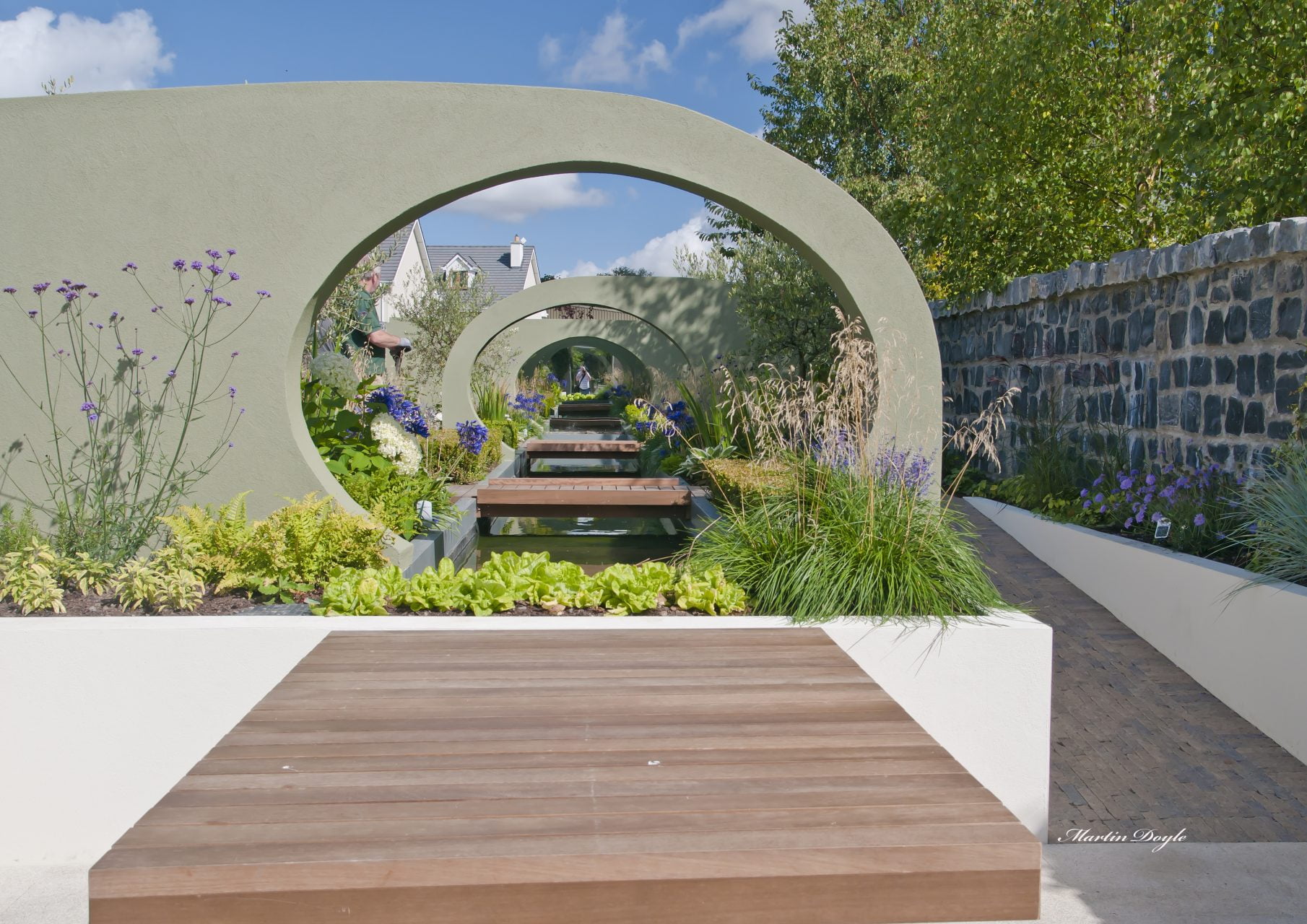
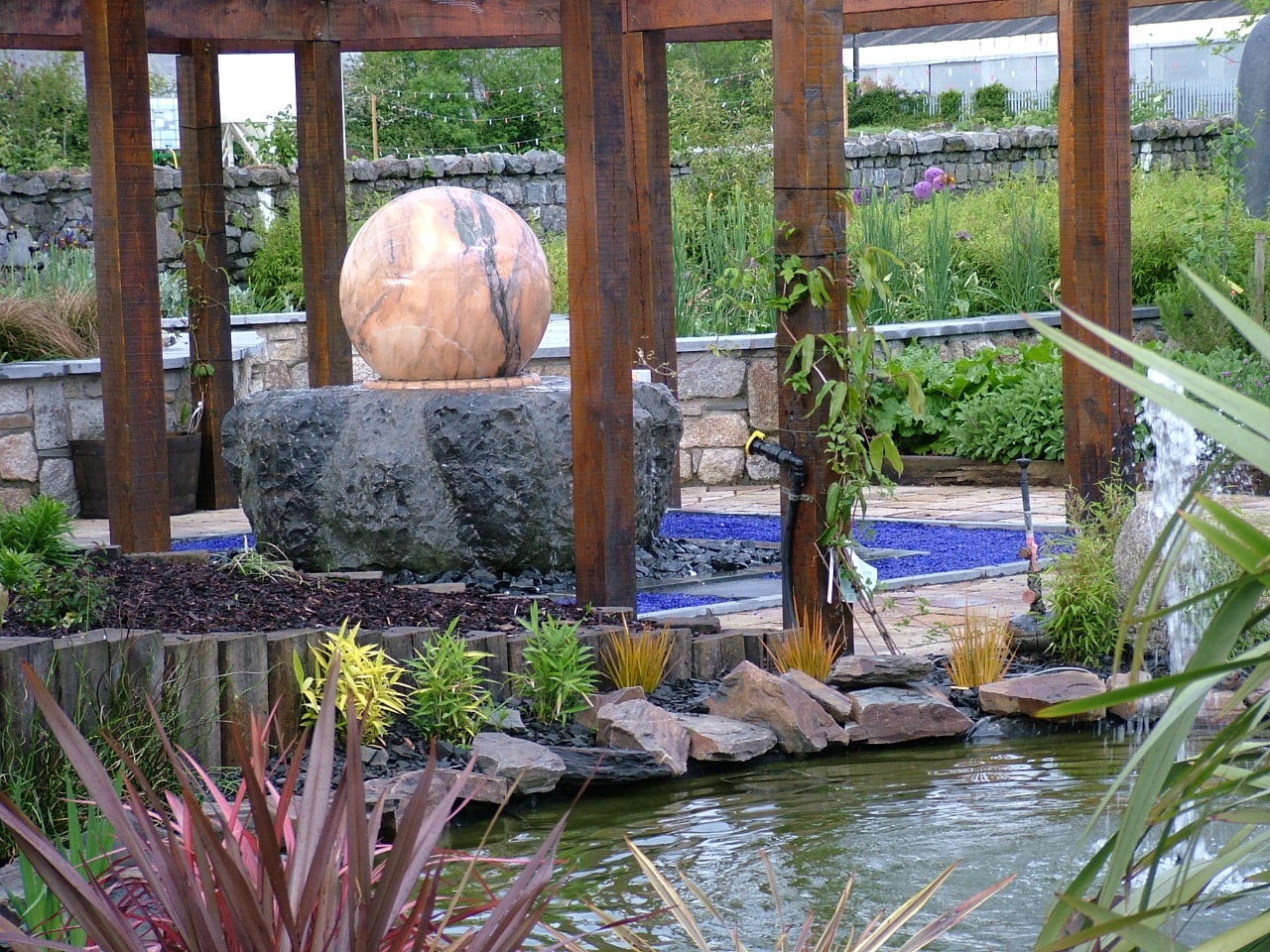
Visitors often speak about the sense of calm here – the water features, the movement of trees, the surprising tranquillity of a garden located within an industrial estate. What many may not realise is that this environment also functions as a place of learning, inclusion and community. Delta is a safe and welcoming space for families and individuals with diverse needs, supported by accessible paths, thoughtful facilities and a team who understand the importance of dignity and ease. This commitment to inclusion is woven through their sustainability journey, showing that caring for place and caring for people are inseparable.
Looking Ahead
Delta plans to expand its education offering, grow its events calendar and continue refining its resource use. The team hopes visitors will leave with a sense of relaxation, welcome and connection and with a quiet appreciation for the care that underpins the gardens every day.
Delta Sensory Gardens continues to evolve through steady, practical actions that reflect a simple guiding aim: to care for the land, to welcome people well, and to create a place where everyone can feel at ease.
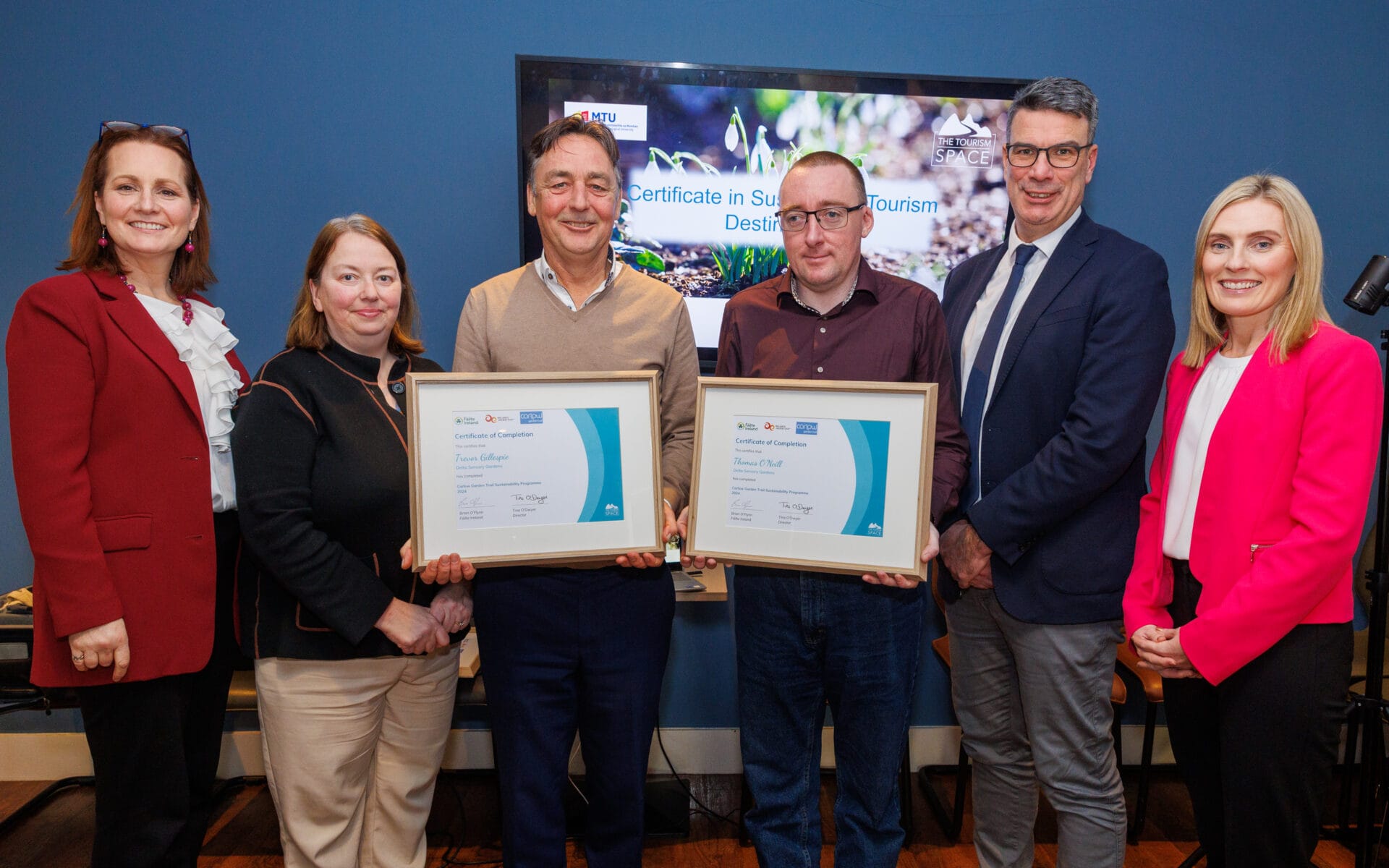
In 2024, managers and owners across Carlow Garden Trail, of which Delta Sensory Gardens, is a member, undertook the accredited Level 6 Certificate in Sustainable Destination Practice with Munster Technological University. As part of the programme, participants completed independent assessments of their current practice and developed future-focused Sustainability Action Plans. Together, they share a commitment to progressing their sustainability journey in a practical, collaborative and accountable way. Their shared intention is to offer welcoming visitor experiences that support the long-term wellbeing of Carlow’s people, heritage and natural environment.