Sustainability Highlights
- Family-run garden managed with a strong focus on care and intention
- Gardening without chemical weedkillers across the garden
- Composting of garden and household waste to support soil health and planting
- Fallen branches, logs and natural debris left in place to encourage biodiversity
- Wood shredded and reused as mulch within the garden
- Very low levels of waste, with recycling embedded in daily practice
- No disposable cups used during open days or events
- Planting and land management decisions made to protect local wildlife, including a resident barn owl
- Garden acting as a small green refuge amid increasing urban and industrial development
- Seasonal opening offering visitors an authentic, home-grown garden experience
Everyday Decisions, Thoughtfully Made
Sustainability at Hardymount is not accidental. Many of the practices here are the result of deliberate decisions made over years. Gardening without chemicals is one of the most significant. Weedkiller is avoided across the garden, with only minimal use on gravel where absolutely necessary. Elsewhere, plants are allowed to grow naturally, with the understanding that a healthy garden does not need to look perfect to be well cared for. Logs left uncleared, fallen branches and compost heaps are all consciously part of how the garden supports soil health and biodiversity.
Working with Nature
Composting is taken seriously and done properly. Garden cuttings, leaves and household waste are reused to feed the garden, with very little ending up as waste. Wood is shredded and used as mulch, leaves are composted separately, and recycling is simply part of how the household operates. There are no disposable cups during open days or teas, reinforcing the sense that Hardymount is run as a home first and a garden open to visitors second.
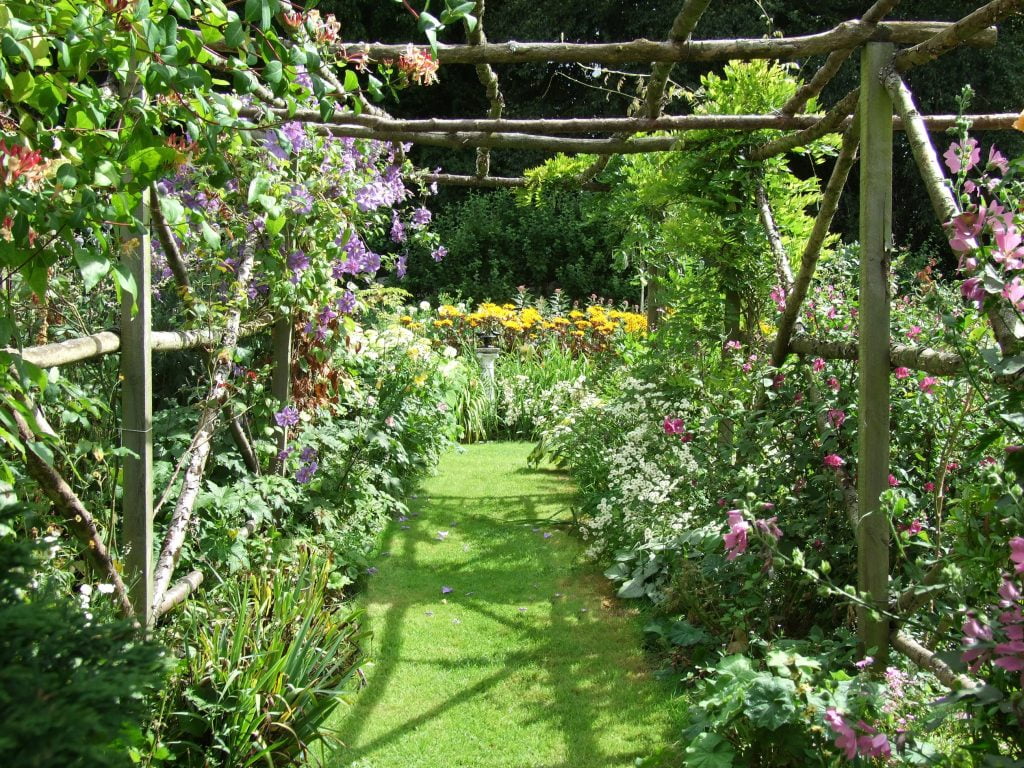
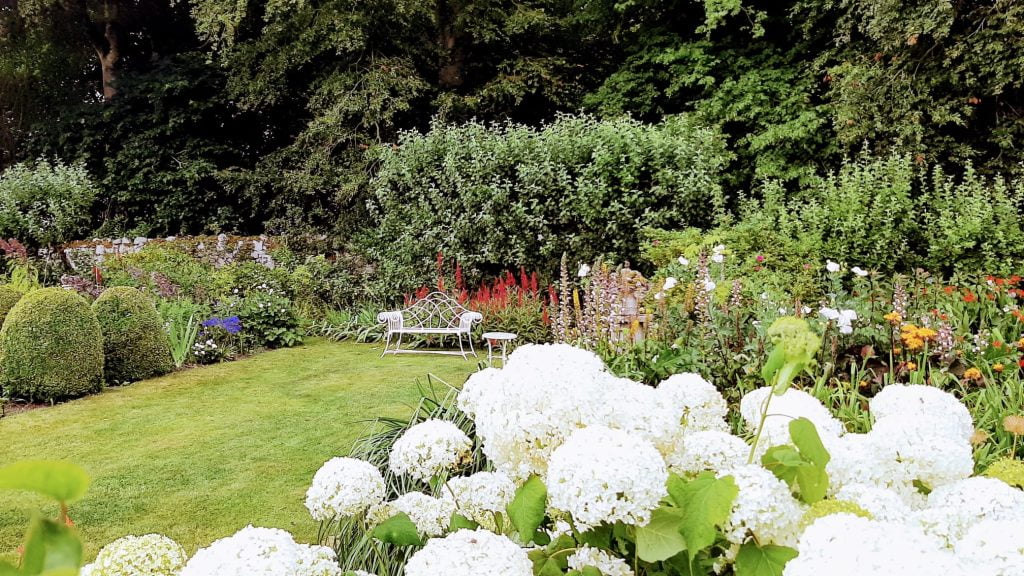
Wildlife plays an important role in shaping decisions. A barn owl lives nearby, and planting and land management choices are made to protect its habitat. As urban and industrial development continues to encroach on the surrounding area, Hardymount increasingly acts as a small green refuge, a place where trees, hedging and wildlife are actively protected within a changing landscape.
Looking Ahead
The garden opens seasonally, with a main open day in summer that has a distinctly home-grown feel. Teas are served by the family, gardeners chat over lunch, and visitors are encouraged to wander, notice and take ideas home with them. Learning happens through observation and conversation rather than instruction.
Looking ahead, solar panels and improved heating are priorities for the future, as time and resources allow. For now, the focus remains on caring well for what is already here, making thoughtful decisions, and sharing a garden shaped by intention, restraint and long-term care.
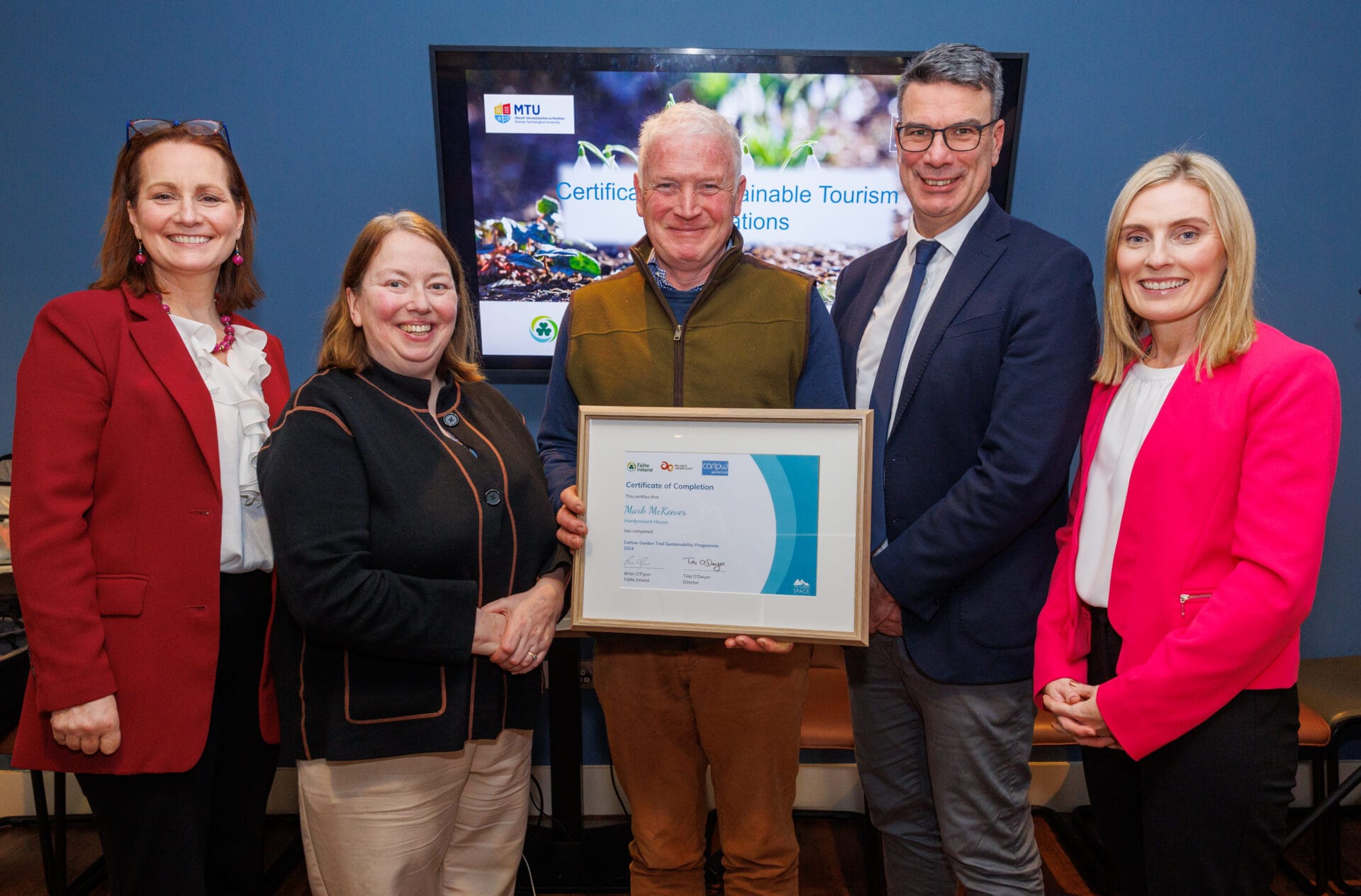
Managers and owners across Carlow Garden Trail, of which Hardymount Gardens, is a member, have completed an accredited Level 6 Certificate in Sustainable Destination Practice with Munster Technological University. As part of the programme, participants completed independent assessments of their current practice and developed future-focused Sustainability Action Plans. Together, they share a commitment to progressing their sustainability journey in a practical, collaborative and accountable way. Their shared intention is to offer welcoming visitor experiences that support the long-term wellbeing of Carlow’s people, heritage and natural environment.